

Contact Us on WhatsApp.
To start a conversation, scan with your camera app or click the QR code.

Our Contact Information:

A document tracking system is a centralized digital platform that manages the lifecycle of critical documents, replacing inefficient paper-based workflows with secure data archiving and real-time oversight. Organizations face significant risks from lost files, approval delays, and compliance gaps, creating an urgent need for a unified digital approval system that ensures accountability and process integrity from creation to final archiving.
These systems enable electronic signature and approval processes, allowing authorized personnel to review, sign, and forward documents without physical intervention. This eliminates bottlenecks and accelerates decision-making cycles, whether for internal corporate policies or time-sensitive patient consent management in clinical settings. Every action is logged, providing a clear, tamper-proof audit trail.
Advanced features include role-based access controls, automated reminders, and version history, ensuring that only up-to-date documents are in circulation and nothing is overlooked. By integrating reporting and process monitoring tools, the Digital Approval System provides managers with full visibility into pending tasks, completed approvals, and overall workflow efficiency, which is vital for both operational and compliance reporting.
By adopting a modern document tracking solution, organizations achieve a measurable reduction in administrative burdens, faster turnaround times, and fortified regulatory compliance support. Transitioning to a paperless approval workflow is not just an upgrade; it is a fundamental shift toward more resilient, transparent, and secure enterprise operations.
A document tracking system operates as a centralized digital hub, automating the entire lifecycle of a document from its creation to its final secure archiving. It begins when a user uploads or creates a document within the platform, immediately launching a predefined electronic signature workflow that routes the document to the appropriate stakeholders for review and approval, eliminating manual handoffs and physical movement.
The system automatically notifies each approver, tracks their actions in real time, and escalates tasks if delays occur, ensuring consistent momentum. This process tracking provides total transparency, allowing managers to instantly view the status of a document—whether it is a contract in a corporate setting or a patient consent form requiring urgent clinical approval—thereby drastically reducing cycle times.
Every interaction is permanently logged in a secure, version-controlled environment, creating an unalterable audit trail necessary for regulatory compliance support. Once a document is fully executed, the Digital Approval System ensures it is automatically moved to a digital document approval archive with strict access controls, preventing loss or unauthorized modification while remaining instantly retrievable for reporting or audits.
By implementing this structured digital workflow, organizations transform a chaotic, paper-dependent process into a streamlined, accountable, and efficient operation. This results in a verifiable reduction in administrative overhead, accelerated approval timelines, and strengthened data governance, making the transition to a paperless approval system a critical strategic advantage.
Today, organizations face immense pressure to accelerate operations while maintaining strict compliance and security, making manual document handling a critical vulnerability. The adoption of a modern document tracking system is no longer optional but essential to eliminate costly delays, human errors, and compliance risks inherent in paper-based processes.
These systems deliver immediate value by automating the entire electronic signature workflow, ensuring documents move swiftly between stakeholders without getting lost or stalled. This is particularly vital for time-sensitive actions, such as patient consent management in healthcare or contract approvals in corporate environments, where every hour saved directly impacts service delivery and operational agility.
Beyond speed, a robust platform provides unparalleled transparency through real-time process tracking and unalterable audit trails, which are foundational for regulatory compliance support. The Digital Approval System ensures that all approved documents are automatically stored in a secure archiving environment, protecting sensitive information from unauthorized access or loss while simplifying retrieval for audits or reporting.
Implementing a dedicated solution means measurable results: a significant reduction in administrative burdens, faster decision cycles, and fortified data governance. This strategic move toward a digital approval system empowers organizations to operate with greater efficiency, security, and confidence in today's rapidly evolving digital landscape.
Manual document processes create significant organizational vulnerabilities, ranging from misplaced files and approval bottlenecks to compliance errors and security risks. A dedicated document tracking system addresses these pain points directly, replacing chaotic paper trails with structured, transparent digital workflows that ensure nothing is lost or overlooked.
By automating electronic signature workflows, it eliminates the hassle of chasing physical signatures and ensures documents move seamlessly among authorized personnel without delay. This is critical for time-sensitive processes, such as patient consent management in healthcare or urgent contract signings in corporate settings, where delays can directly impact operations and compliance.
The system resolves visibility issues by providing real-time process tracking and detailed audit trails, removing ambiguity regarding document status or approval history. By ensuring completed documents are automatically transferred to secure archiving, the Digital Approval System solves storage and retrieval challenges while maintaining strict compliance with data protection regulations.
By implementing a comprehensive tracking solution, organizations solve their most persistent document management challenges: reducing administrative burdens, accelerating approval cycles, and eliminating compliance risks. This transformation toward a digital approval system establishes a foundation for efficient, secure, and fully accountable enterprise processes.
Security is a primary concern for any organization handling sensitive documents, and modern document tracking systems are designed to provide superior protection compared to vulnerable paper-based methods. These platforms implement multi-layered security protocols—including encryption, access controls, and audit trails—to ensure comprehensive data protection throughout the entire electronic signature workflow.
Every document within the system benefits from end-to-end encryption both in transit and at rest, preventing unauthorized access during transmission and storage. Role-based permissions ensure that only authorized personnel can view, edit, or approve documents, which is crucial for sensitive processes like patient consent management, where compliance with healthcare regulations is mandatory. The Digital Approval System maintains unalterable audit logs that track every interaction, providing full transparency for compliance verification.
The platform's secure archiving capabilities guarantee that once documents are finalized, they are protected against tampering, loss, or unauthorized changes while remaining accessible for authorized review. This approach to digital document approval meets and exceeds industry security standards, giving organizations peace of mind regarding their most critical documents.
By implementing a robust tracking solution, organizations achieve both operational efficiency and rock-solid security, turning document management from a vulnerability into a strategic asset. The combination of advanced security features and streamlined workflows makes modern digital approval systems indispensable for any organization prioritizing data protection and regulatory compliance.
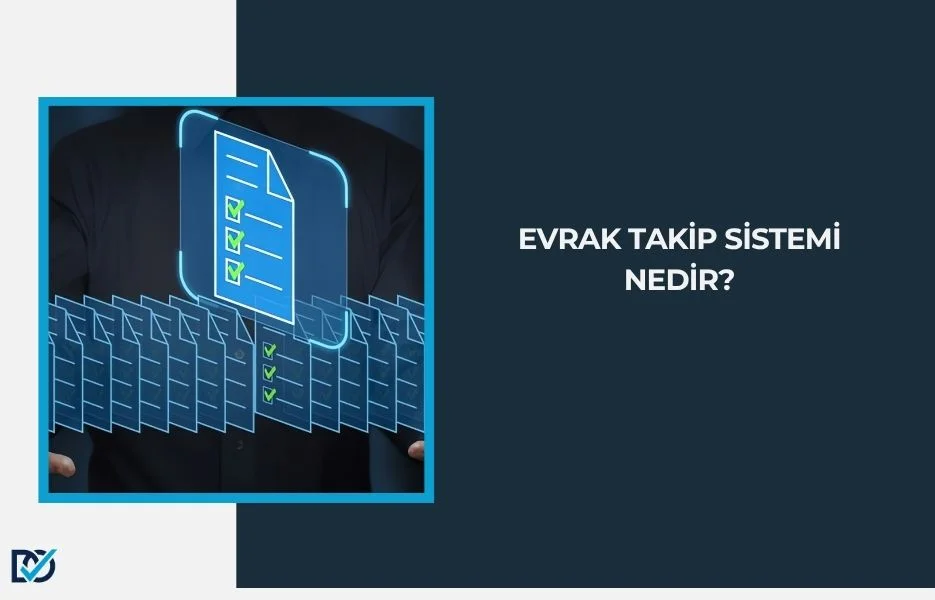
Document approval bottlenecks represent one of the most significant operational inefficiencies in organizations, often causing critical delays in patient care, contract execution, and project timelines. Implementing a dedicated document tracking system addresses these delays directly by automating and accelerating the entire approval lifecycle through structured digital workflows.
These systems automatically route documents to the appropriate stakeholders via predefined electronic signature workflows, eliminating manual handoffs and physical transport. Automated notifications and escalation protocols ensure approvals never stall on someone's desk or in an inbox, which is especially valuable for time-sensitive documents like patient consent forms that require immediate clinical sign-off or urgent corporate contracts.
Real-time process monitoring provides complete visibility into approval status, allowing managers to identify and resolve bottlenecks instantly rather than waiting for manual updates. The Digital Approval System ensures documents move smoothly between departments and stakeholders while maintaining secure archiving of all completed approvals for immediate retrieval.
Organizations implementing document tracking consistently report a 50-80% reduction in approval cycle times, turning processes that used to take weeks into transactions completed in a matter of hours. This dramatic acceleration directly improves corporate agility, patient care delivery, and business responsiveness, making modern digital approval systems indispensable for any organization seeking a competitive advantage through operational efficiency.
Modern organizations require more than basic digital storage; they need intelligent systems with specific features that transform document management from an administrative burden into a strategic advantage. The core features of a document tracking system directly address critical operational challenges through automated workflows, comprehensive security, and real-time visibility.
Automated electronic signature workflows ensure documents move seamlessly between stakeholders without manual intervention, eliminating bottlenecks and accelerating approval cycles. Powerful process monitoring capabilities provide full visibility into document status, allowing managers to track progress and identify delays instantly rather than relying on manual updates or guesswork.
Advanced security features—such as role-based access controls, encryption, and comprehensive audit trails—make these systems indispensable for handling sensitive documents like patient consent forms or confidential contracts. The Digital Approval System incorporates automated secure archiving, which ensures completed documents are protected against loss or tampering while remaining instantly accessible for compliance reviews or operational needs.
These integrated features work together to create a seamless digital approval system that reduces administrative overhead by up to 70% while ensuring regulatory compliance and operational excellence. The combination of automation, security, and transparency makes modern document tracking not just useful, but essential for any organization looking to optimize its document management processes.
Implementing a document tracking system requires a structured approach that begins with mapping existing approval workflows and identifying key pain points in current manual processes. Successful deployment depends on selecting a platform that offers comprehensive electronic signature workflows and integrates seamlessly with existing enterprise systems while maintaining robust security protocols.
The implementation process typically involves configuring automated routing rules that reflect your organization's approval hierarchy, ensuring documents move efficiently through the required digital document approval chain. This includes setting up role-based access controls, defining approval thresholds, and establishing escalation procedures for time-sensitive documents, such as patient consent management forms requiring immediate clinical review.
Training stakeholders to utilize process monitoring features and understand audit trail functionality is crucial for adoption and compliance. A Digital Approval System deployment includes configuring automated secure archiving protocols, ensuring completed documents are properly preserved and accessible for future reference or regulatory audits.
A well-executed implementation transforms document management from a chaotic, paper-based process into a streamlined digital approval system that reduces administrative workload by 60-80% while ensuring compliance and security. Organizations following this structured approach typically achieve full operational integration within weeks, realizing immediate benefits in efficiency, transparency, and process control.
Regulatory compliance represents a critical concern for organizations handling sensitive documents, particularly in the healthcare and corporate sectors where data protection standards are stringent. Modern document tracking systems are specifically engineered to meet and exceed regulatory requirements through built-in compliance features that address audit trails, data integrity, and privacy protection.
These systems provide comprehensive regulatory compliance support through unalterable audit logs that track every action within an electronic signature workflow, creating verifiable records of who approved which document and when. This is especially important for regulated processes like patient consent management, where healthcare organizations must demonstrate strict adherence to HIPAA and other privacy regulations through detailed documentation.
The Digital Approval System ensures compliance through advanced security measures, including encryption, access controls, and automated secure archiving that protects documents from tampering or unauthorized modifications. These features work together to maintain data integrity throughout the entire digital document approval lifecycle, giving organizations confidence during regulatory audits.
By implementing a properly configured document tracking solution, organizations turn compliance from an administrative burden into a streamlined process that automatically maintains regulatory standards. This approach not only reduces the compliance-related workload but also significantly lowers organizational risk by ensuring all document processes satisfy current regulatory requirements.
Paper-based document processes create a significant administrative burden due to the requirements of physical printing, manual routing, filing, and storage, which consume both time and resources. A modern document tracking system eliminates these inefficiencies by digitizing the entire workflow from creation to approval and archiving, fundamentally transforming how organizations handle documentation.
These systems replace physical document movement with automated electronic signature workflows that route documents digitally among stakeholders, eliminating printing, photocopying, and manual distribution. This digital approach is particularly effective for document-intensive processes like patient consent management in healthcare environments, where traditional paper forms require substantial physical storage and management overhead.
The Digital Approval System further reduces paperwork through comprehensive digital document approval features that maintain all versions and sign-offs electronically without requiring physical signatures or hard copies. Automated secure archiving ensures documents are preserved digitally with full search and retrieval capabilities, removing the need for physical filing cabinets and manual record-keeping.
Organizations implementing document tracking typically experience an 80-90% reduction in paper usage while simultaneously cutting the administrative time spent on document management by 60-70%. This transformation to a paperless approval system not only lowers operational costs but also enhances efficiency, security, and environmental sustainability across the organization.
VAYES We use cookies to personalise content and ads, to provide social media features and to analyse our traffic. We also share information about your use of our site with our social media, advertising and analytics partners.
Necessary cookies enable core functionality such as page navigation and access to secure areas. The website cannot function properly without these cookies, and they do not require consent because they are only set in response to your actions.
| Cookie name | Provider | Type | Purpose | Retention | Runs without consent |
|---|---|---|---|---|---|
| cookie_consent | VAYES | First party | Stores the visitor's consent state for the cookie categories. | 1 year | Yes |
| cookie_consent_id | VAYES | First party | Unique consent ID used to match the consent record with the audit log. | 1 year | Yes |
| PHPSESSID | VAYES | First party | Preserves user session state across page requests (server session identifier). | Session | Yes |
| csrf_token | VAYES | First party | Security against cross-site request forgery (CSRF) on form submissions. | Session | Yes |
| _GRECAPTCHA | Google reCAPTCHA | Third party | Set by the reCAPTCHA service to provide spam protection / risk analysis. | 180 days | Yes |
Preference cookies enable the website to remember information that changes the way it behaves or looks, such as your preferred language or the region you are in.
| Cookie name | Provider | Type | Purpose | Retention | Runs without consent |
|---|---|---|---|---|---|
| consent_preferences | VAYES | First party | Stores consent state for preference (functional) cookies. | 1 year | No |
| NID | Google Maps | Third party | Registers a unique ID that identifies a returning user's device for Google Maps preferences. | 6 months | No |
Statistics cookies help the website owner understand how visitors interact with the website by collecting and reporting information anonymously.
| Cookie name | Provider | Type | Purpose | Retention | Runs without consent |
|---|---|---|---|---|---|
| _ga | Google Analytics 4 | Third party | Registers a unique ID that is used to generate statistical data on how the visitor uses the website. | 2 years | No |
| _ga_* | Google Analytics 4 | Third party | Used by Google Analytics 4 to persist session state. | 2 years | No |
| _gid | Google Analytics 4 | Third party | Registers a unique ID used to generate statistical data on how the visitor uses the website. | 1 day | No |
Marketing cookies are used to track visitors across websites. The intention is to display ads that are relevant and engaging for the individual user.
| Cookie name | Provider | Type | Purpose | Retention | Runs without consent |
|---|---|---|---|---|---|
| _gcl_au | Google Ads | Third party | Used by Google AdSense/Ads for experimenting with advertisement efficiency. | 3 months | No |
| _fbp | Meta (Facebook) Pixel | Third party | Used by Meta to deliver a series of advertisement products such as real-time bidding from third-party advertisers. | 3 months | No |
| _fbc | Meta (Facebook) Pixel | Third party | Stores the last ad click to attribute ad conversions. | 3 months | No |
| li_sugr | LinkedIn Insight Tag | Third party | Collects data on the visitor's behaviour and interaction to optimise the website and make advertisements relevant. | 3 months | No |
| bcookie | LinkedIn Insight Tag | Third party | Used by LinkedIn to store performed actions on the website (browser ID cookie). | 1 year | No |
| VISITOR_INFO1_LIVE | YouTube | Third party | Tries to estimate the users' bandwidth on pages with integrated YouTube videos. | 180 days | No |
| YSC | YouTube | Third party | Registers a unique ID to keep statistics of what videos from YouTube the user has seen. | Session | No |
Until consent is given, all statistics and marketing tools are in the 'denied' state via Google Consent Mode; the Meta Pixel and LinkedIn Insight scripts are not injected into the page at all. Google Tag Manager and reCAPTCHA load, but GTM only triggers consent-dependent tags. When you reject a preference, the related cookies and third-party tools are actually disabled and the page is re-evaluated.
Every consent you give is stored on the server in an audit log together with a unique consent ID, a timestamp, the categories you selected, the policy version and browser information. These records are kept to demonstrate compliance (KVKK/GDPR) and can be matched with the consent ID stored in your browser.
You can withdraw your consent at any time: click the cookie settings button in the bottom-left corner of the page, update your preferences and use the 'Withdraw consent' or 'Allow selection' button. When consent is withdrawn, cookie preferences are reset and the tools return to the 'denied' state.
Contact Us on WhatsApp.
To start a conversation, scan with your camera app or click the QR code.
Our Contact Information:
 Notification Center 00:00