

Contact Us on WhatsApp.
To start a conversation, scan with your camera app or click the QR code.

Our Contact Information:

Obtaining a legally valid digital signature is a critical step for organizations moving beyond inefficient paper-based systems. This process relies on utilizing a secure, compliant platform that provides verifiable authentication and a tamper-proof audit trail, ensuring your approvals stand up to legal scrutiny while streamlining core operations.
The Digital Approval System provides the framework for creating these signatures through a secure electronic signature workflow. It ensures compliance with global standards such as eIDAS and ESIGN by embedding unique cryptographic markers and maintaining a permanent, unalterable record of each signing event. This directly enables faster approval cycles by eliminating the delays and security risks inherent in physical document handling.
In practice, this transforms critical processes. Healthcare providers utilize it for immediate patient consent management, while corporate legal teams execute contracts remotely with full legal assurance. Each signed document is automatically routed to secure archiving, creating a centralized, searchable repository that simplifies audits and ensures data security.
Adopting this paperless approval model is a definitive step toward digital transformation. It delivers a measurable reduction in administrative overhead, slashes processing times from days to minutes, and provides complete transparency throughout your document approval lifecycle. The result is a streamlined, secure, and fully compliant operational environment.
Obtaining a legally binding digital signature requires a platform that adheres to strict regulatory standards, ensuring that every signature is validated and non-repudiable. This process is fundamental to replacing outdated paper trails with a secure, efficient, and fully compliant digital workflow that organizations can trust.
The Digital Approval System facilitates this by implementing advanced electronic signature protocols that meet eIDAS and ESIGN requirements. Each signature event is cryptographically sealed and accompanied by a comprehensive audit trail, providing irrefutable proof of intent and significantly accelerating faster approval cycles across departments.
This capability is vital for high-stakes environments. Healthcare institutions leverage it for seamless patient consent management, while corporate legal teams finalize agreements from anywhere without compromising legal integrity. Every executed document is automatically transferred to a secure archiving system, ensuring long-term data security and easy access for compliance audits.
Transitioning to this paperless approval method is a strategic component of modern digital transformation. It delivers a proven reduction in administrative tasks, converts slow processes into instant actions, and offers complete oversight of the entire document approval chain, resulting in a more resilient and efficient operational framework.
Securing a legally valid digital signature requires a methodical approach that combines identity verification, cryptographic security, and comprehensive audit trails. This process transforms document execution from a sensitive, manual task into a secure, defensible digital procedure that meets strict legal standards.
The Digital Approval System structures this through a multi-layered electronic signature process that begins with verifying the signer's identity and culminates in a tamper-proof digital certificate. Each action is time-stamped and cryptographically sealed, creating an unalterable record that allows for faster approval cycles while preserving legal integrity.
These security measures prove essential in regulated environments. Medical facilities implement them for compliant patient consent management, while financial institutions secure sensitive agreements with full legal standing. All executed documents are subjected to automated secure archiving, providing immediate access for continuous data security and compliance verification.
Implementing this structured approach to paperless approval represents a critical advancement in enterprise digital transformation. It eliminates manual verification tasks, reduces processing time from weeks to hours, and provides full transparency throughout the document approval lifecycle, ensuring both operational efficiency and steadfast legal compliance.
Implementing digital signatures across your organization begins with selecting a compliant platform that integrates seamlessly with existing workflows. This transition requires a solution that delivers both robust security protocols and intuitive user experiences to ensure widespread adoption and legal validity across all departments.
The Digital Approval System enables this implementation through a structured deployment of electronic signature features that meet global compliance standards. The platform verifies user identities, applies cryptographic protection to each signature, and maintains detailed audit trails, contributing directly to faster approval cycles while ensuring legal enforceability.
Organizations utilize this capability across critical functions. Healthcare providers implement it for efficient patient consent management, while corporate legal teams secure contracts with full regulatory compliance. All executed documents are automatically transferred to secure archiving, ensuring permanent data security and providing immediate access for compliance audits.
Adopting this comprehensive paperless approval system represents a strategic step in corporate digital transformation. It eliminates manual processing bottlenecks, reduces administrative burdens, and ensures full visibility across the entire document approval lifecycle, delivering both operational efficiency and steadfast legal compliance.
Creating legally compliant digital signatures requires implementing a process that meets specific regulatory requirements for authentication, intent, and association. Organizations must look beyond basic electronic markings to adopt solutions that provide cryptographic proof and comprehensive audit capabilities to ensure legal enforceability.
The Digital Approval System delivers this compliance through advanced electronic signature technology that incorporates identity verification, time-stamping, and tamper-proofing. Each signature event generates cryptographic evidence that links the signer to the document, allowing for faster approval cycles while maintaining legal validity across jurisdictions.
This compliance framework proves critical in regulated industries. Healthcare organizations utilize it for secure patient consent management, while corporate legal departments execute binding agreements with full regulatory assurance. All signed documents are automatically transferred to secure archiving, ensuring permanent data security and immediate accessibility for compliance verification.
Implementing this standardized approach to paperless approval represents a foundational component of enterprise digital transformation. It eliminates manual validation processes, reduces administrative overhead, and ensures full transparency throughout the document approval lifecycle, delivering both operational efficiency and steadfast legal compliance.
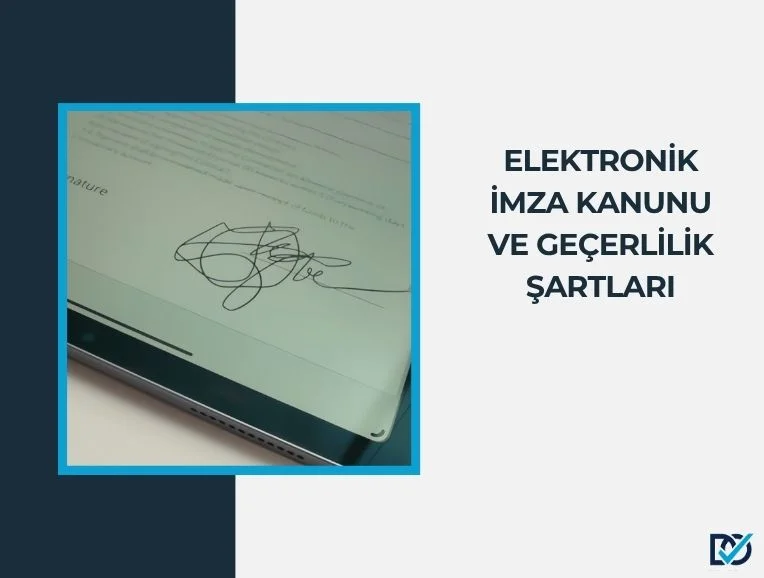
A legally valid digital signature requires four core elements: signer authentication, intent to sign, signature association, and document integrity. These components work together to establish the necessary cryptographic evidence so that signatures can withstand legal scrutiny, replacing traditional wet-ink processes with digital certainty.
The Digital Approval System ensures validity through advanced electronic signature technology that authenticates identity, captures explicit consent, and cryptographically links the signature to the document. This creates an unalterable audit trail that allows for faster approval cycles while meeting eIDAS, ESIGN, and other global compliance standards.
This legal validity is vital in regulated industries. Healthcare providers rely on it for defensible patient consent management, while corporate legal teams execute binding agreements with full regulatory assurance. All signed documents are automatically transferred to secure archiving, ensuring permanent data security and immediate accessibility for compliance audits.
Implementing this validated approach to paperless approval represents a critical advancement in enterprise digital transformation. It eliminates manual verification tasks, reduces administrative burdens, and ensures full transparency throughout the document approval lifecycle, delivering both operational efficiency and steadfast legal compliance.
Implementing legally valid digital signatures requires a systematic approach that integrates identity verification, cryptographic security, and comprehensive audit capabilities into existing workflows. This implementation transforms document execution from a manual, error-prone process into a secure, defensible digital procedure that meets strict legal standards across industries.
The Digital Approval System facilitates this implementation through the structured deployment of advanced electronic signature technology that authenticates users, applies cryptographic protection, and maintains detailed audit trails. This framework ensures compliance with global regulations while enabling faster approval cycles and reducing administrative burdens through automated validation processes.
Organizations leverage this implementation in critical functions where legal validity is paramount. Healthcare institutions use it for compliant patient consent management, while financial services firms secure transactions with full regulatory assurance. All executed documents are automatically transferred to secure archiving, ensuring permanent data security and immediate retrieval capabilities for compliance verification and auditing purposes.
Adopting this comprehensive approach to paperless approval represents a strategic advancement in enterprise digital transformation. It eliminates manual processing bottlenecks, mitigates operational risks, and ensures full visibility throughout the document approval lifecycle, delivering both efficiency gains and steadfast legal compliance across all business operations.
Starting to use valid digital signatures begins with selecting a compliant platform that integrates seamlessly with your current document workflows. This initial step requires choosing a solution that provides both robust security protocols and user-friendly interfaces to ensure organization-wide adoption and legal validity across all departments.
The Digital Approval System enables this implementation through a structured deployment of advanced electronic signature technology that meets global compliance standards. The platform verifies user identities, applies cryptographic protection to each signature, and maintains comprehensive audit trails, contributing directly to faster approval cycles while ensuring legal enforceability.
Organizations apply this capability in critical functions where legal validity is essential. Healthcare providers use it for efficient patient consent management, while corporate legal teams secure contracts with full regulatory compliance. All executed documents are automatically transferred to secure archiving, ensuring permanent data security and providing immediate access for compliance audits.
Adopting this comprehensive paperless approval system represents a strategic step in corporate digital transformation. It eliminates manual processing bottlenecks, reduces administrative burdens, and ensures full visibility across the entire document approval lifecycle, delivering both operational efficiency and steadfast legal compliance.
A legal digital signature requires four essential components: signer authentication, indication of intent, signature association, and document integrity. These elements combine to establish cryptographic proof that meets global compliance standards, transforming digital approvals from simple electronic marks into legally binding instruments.
The Digital Approval System delivers these requirements through advanced electronic signature technology that authenticates identity, captures explicit consent, and cryptographically links signatures to documents. This creates an unalterable audit trail that allows for faster approval cycles while satisfying eIDAS, ESIGN, and other regulatory frameworks.
These requirements prove essential in regulated environments. Healthcare organizations implement them for compliant patient consent management, while financial institutions secure transactions with full legal assurance. All executed documents are subjected to automated secure archiving, ensuring permanent data security and immediate accessibility for compliance verification.
Implementing this validated approach to paperless approval represents a critical advancement in enterprise digital transformation. It eliminates manual validation processes, reduces administrative overhead, and ensures full transparency throughout the document approval lifecycle, delivering both operational efficiency and steadfast legal compliance.
Adopting legally recognized digital signatures requires implementing a comprehensive framework that meets authentication, consent, and integrity requirements across global jurisdictions. This adoption process transforms traditional paper-based approvals into secure digital workflows that carry full legal weight while streamlining enterprise operations.
The Digital Approval System facilitates this adoption through the structured application of advanced electronic signature technology that verifies identities, captures explicit consent, and applies cryptographic protection. This establishes defensible audit trails that allow for faster approval cycles while satisfying eIDAS, ESIGN, and other regulatory standards.
Organizations implement this framework in critical functions that demand legal certainty. Healthcare providers use it for compliant patient consent management, while corporate legal teams execute binding agreements with full regulatory assurance. All signed documents are subjected to automated secure archiving, ensuring permanent data security and immediate accessibility for compliance verification.
Implementing this standardized approach to paperless approval represents a strategic advancement in enterprise digital transformation. It eliminates manual validation processes, reduces administrative burdens, and ensures full transparency throughout the document approval lifecycle, delivering both operational efficiency and steadfast legal compliance.
VAYES We use cookies to personalise content and ads, to provide social media features and to analyse our traffic. We also share information about your use of our site with our social media, advertising and analytics partners.
Necessary cookies enable core functionality such as page navigation and access to secure areas. The website cannot function properly without these cookies, and they do not require consent because they are only set in response to your actions.
| Cookie name | Provider | Type | Purpose | Retention | Runs without consent |
|---|---|---|---|---|---|
| cookie_consent | VAYES | First party | Stores the visitor's consent state for the cookie categories. | 1 year | Yes |
| cookie_consent_id | VAYES | First party | Unique consent ID used to match the consent record with the audit log. | 1 year | Yes |
| PHPSESSID | VAYES | First party | Preserves user session state across page requests (server session identifier). | Session | Yes |
| csrf_token | VAYES | First party | Security against cross-site request forgery (CSRF) on form submissions. | Session | Yes |
| _GRECAPTCHA | Google reCAPTCHA | Third party | Set by the reCAPTCHA service to provide spam protection / risk analysis. | 180 days | Yes |
Preference cookies enable the website to remember information that changes the way it behaves or looks, such as your preferred language or the region you are in.
| Cookie name | Provider | Type | Purpose | Retention | Runs without consent |
|---|---|---|---|---|---|
| consent_preferences | VAYES | First party | Stores consent state for preference (functional) cookies. | 1 year | No |
| NID | Google Maps | Third party | Registers a unique ID that identifies a returning user's device for Google Maps preferences. | 6 months | No |
Statistics cookies help the website owner understand how visitors interact with the website by collecting and reporting information anonymously.
| Cookie name | Provider | Type | Purpose | Retention | Runs without consent |
|---|---|---|---|---|---|
| _ga | Google Analytics 4 | Third party | Registers a unique ID that is used to generate statistical data on how the visitor uses the website. | 2 years | No |
| _ga_* | Google Analytics 4 | Third party | Used by Google Analytics 4 to persist session state. | 2 years | No |
| _gid | Google Analytics 4 | Third party | Registers a unique ID used to generate statistical data on how the visitor uses the website. | 1 day | No |
Marketing cookies are used to track visitors across websites. The intention is to display ads that are relevant and engaging for the individual user.
| Cookie name | Provider | Type | Purpose | Retention | Runs without consent |
|---|---|---|---|---|---|
| _gcl_au | Google Ads | Third party | Used by Google AdSense/Ads for experimenting with advertisement efficiency. | 3 months | No |
| _fbp | Meta (Facebook) Pixel | Third party | Used by Meta to deliver a series of advertisement products such as real-time bidding from third-party advertisers. | 3 months | No |
| _fbc | Meta (Facebook) Pixel | Third party | Stores the last ad click to attribute ad conversions. | 3 months | No |
| li_sugr | LinkedIn Insight Tag | Third party | Collects data on the visitor's behaviour and interaction to optimise the website and make advertisements relevant. | 3 months | No |
| bcookie | LinkedIn Insight Tag | Third party | Used by LinkedIn to store performed actions on the website (browser ID cookie). | 1 year | No |
| VISITOR_INFO1_LIVE | YouTube | Third party | Tries to estimate the users' bandwidth on pages with integrated YouTube videos. | 180 days | No |
| YSC | YouTube | Third party | Registers a unique ID to keep statistics of what videos from YouTube the user has seen. | Session | No |
Until consent is given, all statistics and marketing tools are in the 'denied' state via Google Consent Mode; the Meta Pixel and LinkedIn Insight scripts are not injected into the page at all. Google Tag Manager and reCAPTCHA load, but GTM only triggers consent-dependent tags. When you reject a preference, the related cookies and third-party tools are actually disabled and the page is re-evaluated.
Every consent you give is stored on the server in an audit log together with a unique consent ID, a timestamp, the categories you selected, the policy version and browser information. These records are kept to demonstrate compliance (KVKK/GDPR) and can be matched with the consent ID stored in your browser.
You can withdraw your consent at any time: click the cookie settings button in the bottom-left corner of the page, update your preferences and use the 'Withdraw consent' or 'Allow selection' button. When consent is withdrawn, cookie preferences are reset and the tools return to the 'denied' state.
Contact Us on WhatsApp.
To start a conversation, scan with your camera app or click the QR code.
Our Contact Information:
 Notification Center 00:00